
Screen Junkies:
That teens are addicted to their smartphones and social media has been a concern of late, particularly when it impacts their minds in a negative way. However, it cannot be denied that in today’s world it is difficult, if not impossible, to manage without being connected. Going off the grid is not an option for everybody.
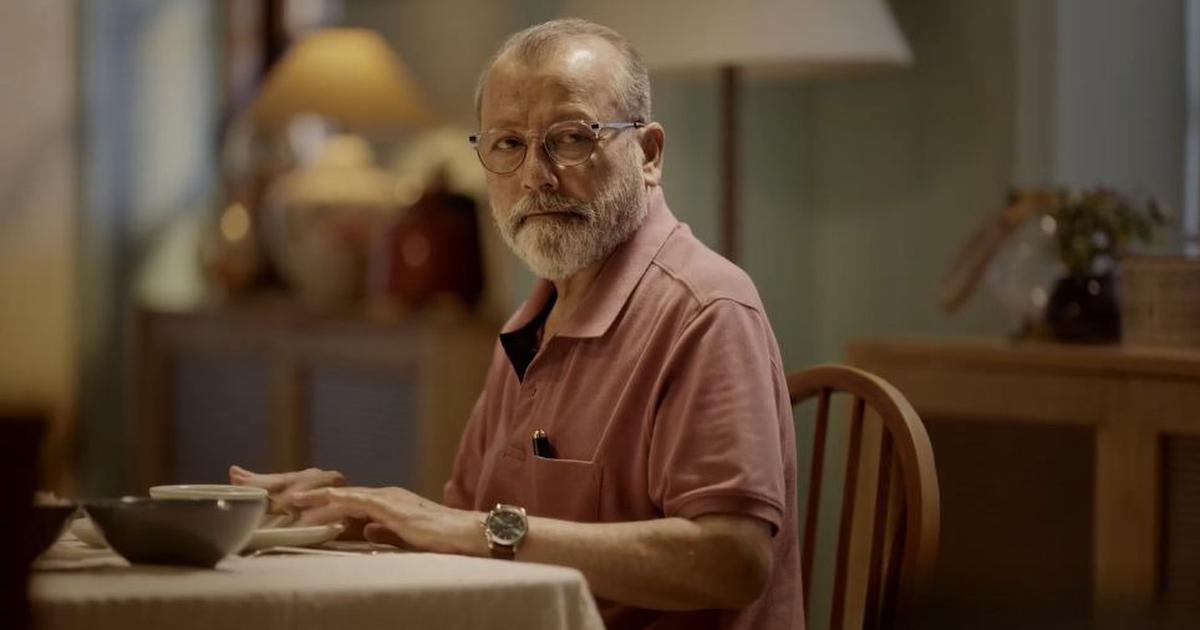
In the five-episode show, Thode Door Thode Paas (on Z5), retired naval officer, Ashwin Mehta, returns home after a long absence, to find his family so absorbed with their gadgets that they barely speak to each other. His older son,Kunal (Kunaal Roy Kapoor,) is a numerologist, with a thriving practice, his wife Simran (Mona Singh) runs a boutique in the garage, teenage daughter Avni (Ayesha Kaduskar) is in college, gaming junkie son Vivaan (Sartaaj Kakkar) is in school, and the younger Mehta son Kumud (Gurpreet Saini) is a serial womanizer and “professional blogger.”
Fed-up of living in a home without any communication, leave aside the warmth of normal interaction, Mehta decides to “buy the family’s time.” He offers them a crore each, if they agree to a “digital fast” for six months. For a family living in such a huge mansion, one crore is hardly a fortune, but still, their eyes gleam with greed and they surrender their electronic gadgets. For communication a landline is installed—a bit idealistic that, since MTNL phones are usually on the blink.
A lot of families do limit their phone time at home, and responsible parents restrict computer and phone usage, but the show, created by Shiirshak S. Anand and directed by Ajay Bhuyan has to exaggerate the family’s alienation caused by gadgets to then create forced humour out of their withdrawal symptoms. Strange that Mehta had asked for digital fasting (though the commonly used word is detox), not abstinence from using electric appliances, but the family is forced to cook, learn to make chutney on a grinding stone, wash clothes by hand, go shopping for provisions, withdraw money from the bank using (gasp!) a cheque, and go physically to pay the electricity bill (there are dropboxes!).
They also have to find ways to fill the time that was taken up by their electronic gizmos, study and work without computers. Of course, it is tough, but people do normally do offline banking and phone the neighbourhood store to deliver provisions, and they could, if they wanted, go to the cinema and buy tickets at the box-office, instead of complaining of boredom. Since the family’s supposed deprivation is not convincing enough, there are limitations to the comedy. Mehta has the solution to every problem that arises out of a lack of connectivity, and the kids have to find innovative ways to catch up with the class projects.
Mehta is a twinkly-eyed senior, but also controlling and eccentric—he talks to a photo of his dead wife! Kumud later accuses him of being an absent father, but the five-part show is not about airing grievances and solving festering issues. It aims to introduce a digital audience (a wifi connection is needed to watch OTT shows) to an analogue life of VCR players, the walkman, newspapers, bicycles, boxy cameras and fountain pens. But as Kunal says, you have to move with the times—and it is true. Turning back the clock, even for six months, won’t automatically repair fraying relationships or miraculously turn a family into a smiling, hum saath hain Bollywood clan.
Pankaj Kapur, who visibly enjoys playing the ringmaster to this family circus, is also the glue that holds the show together. Even when they are going through an emotional upheaval, the family remains upbeat and mostly cheerful. The younger actors are comfortable in their parts, and Sartaaj Kakkar gets right the dazed manner of a kid, who almost never let go of his gaming console and is suddenly forced to confront real life. Even though its mostly implausible, Thode Door Thode Paas is a pleasant enough watch.
(This piece first appeared in rediff.com)
